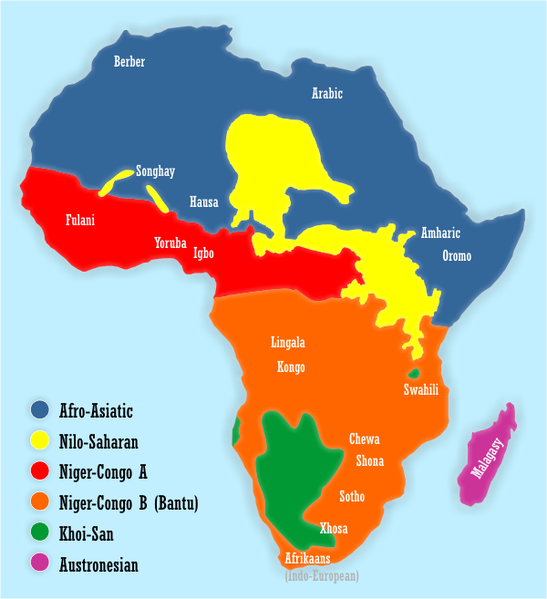
Africa is the most linguistically diverse continent on Earth. Many countries are home to dozens — sometimes hundreds — of languages, reflecting centuries of culture, history, and community. Here are the Top 5 African countries with the most spoken languages.
5) South Africa
South Africa officially recognizes 11 languages, including Zulu, Xhosa, Afrikaans, and English. Beyond these, there are numerous other languages spoken across the country.
South Africa’s language diversity reflects its multicultural society. Visitors can experience different cultures in just one city — from Zulu-speaking communities to Afrikaans towns — making it a fascinating destination for cultural explorers.
4) Tanzania
Tanzania boasts over 120 languages, with Swahili serving as a unifying language. Local languages like Sukuma, Chaga, and Haya are widely spoken in different regions.
Travelers love Tanzania not just for its wildlife and beaches, but also for its people’s ability to navigate multiple languages. Learning a few local words is always appreciated by locals and adds to the cultural experience.
3) Cameroon
Cameroon, sometimes called “Africa in miniature,” has around 230 languages. French and English are official, but there are dozens of indigenous languages like Ewondo, Bulu, and Fulfulde spoken throughout the country.
Cameroon’s linguistic diversity reflects its varied culture, from coastal regions to mountains and forests. Travelers are often fascinated by how quickly people switch languages depending on the setting or ethnic group.
2) Democratic Republic of Congo (DRC)
DRC has more than 200 languages, making it one of the most linguistically diverse countries in Africa. Lingala, Swahili, Kikongo, and Tshiluba are the main languages, but numerous local dialects are spoken in rural areas.
The linguistic richness in DRC shows the variety of ethnic groups living together in this vast country. Visitors often find themselves learning greetings and phrases to connect with locals in different provinces.
1) Nigeria
Nigeria is Africa’s most populous country, and it’s also home to an astonishing number of languages — over 500! The major languages are Hausa, Yoruba, and Igbo, but there are countless local languages spoken in villages and towns across the country.
This linguistic diversity reflects Nigeria’s rich cultural heritage. Travelers can experience different traditions, music, and cuisine simply by visiting different regions, each with its own language and customs.
Leave a Reply