A decline in foreign aid is threatening Kenya’s progress in the fight against HIV/AIDS. While a United Nations report lists Kenya among the top seven countries close to ending the HIV epidemic, reductions in international funding are raising concerns that some gains made over the years could be affected.
Latest reports indicate that Kenya records about 54 new HIV infections every day. Strained resources and the rising cost of alternative care options could further affect efforts to maintain progress in HIV prevention and treatment.
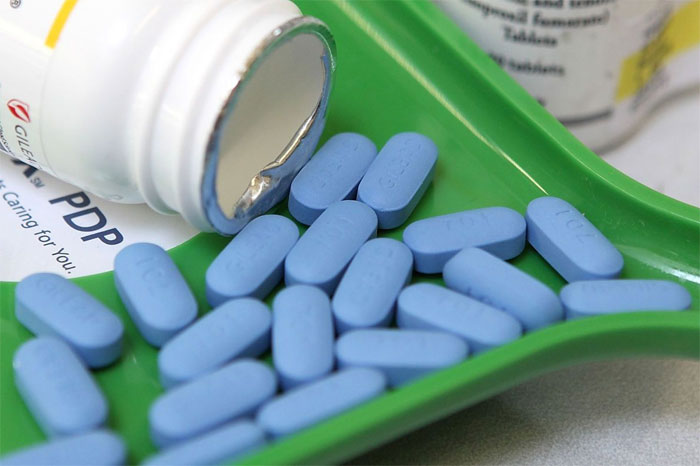
Kenya’s Ministry of Health has announced several measures to reduce the impact of funding challenges, including increasing stocks of essential supplies such as HIV testing kits and first-line antiretroviral drugs (TLD). However, shortages of specialized laboratory reagents remain a challenge.
The supply of HIV-related commodities in Kenya has been affected by the United States government’s decision to reduce funding for HIV programs in 2025. The funding cuts have affected access to HIV care, contributed to treatment delays, disrupted viral load testing and routine monitoring such as CD4 counts, and reduced the availability of free public sector condoms.
A UNAIDS report warns that an 18% decline in global HIV funding could result in an additional 3 million HIV infections by 2030. The reduction in support for community-led programs following the suspension of USAID funding has also disrupted HIV outreach activities and affected some prevention programs.
The reduction in United States Agency for International Development (USAID) funding resulted in the loss of $2.5 billion in foreign assistance. Such funding has played an important role in supporting HIV prevention, treatment, and mitigation programs in Kenya.
Despite the funding challenges, UNAIDS reports that Kenya continues to make progress toward reducing new HIV infections. However, health officials warn that a decline in global funding could slow progress in the fight against HIV/AIDS.
In a report released during the 26th International AIDS Conference in Rio de Janeiro, Brazil, Kenya was recognized for increasing domestic funding toward HIV programs.
The National Syndemic Diseases Control Council (NSDCC) report also highlighted that mother-to-child HIV transmission accounted for 22% of new HIV infections in 2025. The findings underline the importance of increasing domestic investment in HIV programs to address funding gaps caused by reductions in international support.



Leave a Reply