Leadership longevity in Africa is remarkable. Some leaders have been in power for decades, influencing politics, culture, and national development. Here are the Top 5 African countries with the longest-serving current leaders in 2026
5) Isaias Afwerki – Eritrea
President Isaias Afwerki has led Eritrea since 1993, shortly after the country gained independence. His long-standing leadership has shaped the nation’s political system, infrastructure, and national identity.

Visitors note Eritrea’s centralized government and distinctive societal structure, reflecting decades of continuous leadership under Afwerki.
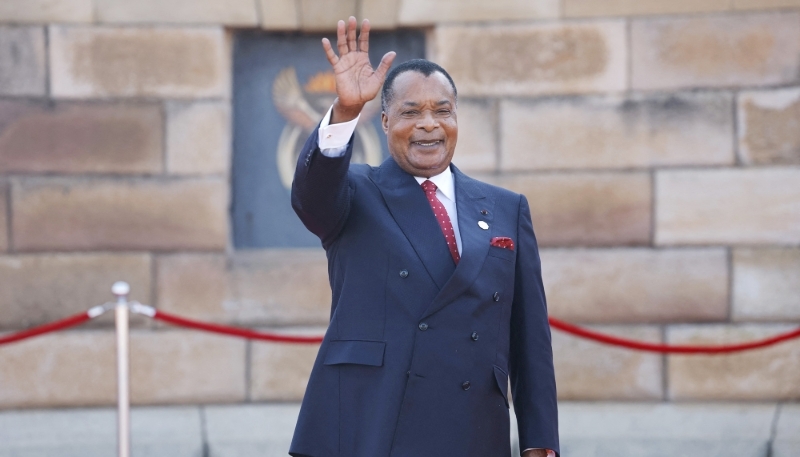
4) Denis Sassou Nguesso – Republic of Congo (Congo-Brazzaville)
President Denis Sassou Nguesso has been in power since 1997 (after an earlier term from 1979–1992). His leadership has influenced Congo’s political stability, economic policies, and international relations.

Under his rule, the country has maintained continuity in governance, and his long tenure is visible in the administration and development of cities and communities.
3) Yoweri Museveni – Uganda
President Yoweri Museveni has been Uganda’s leader since 1986. His tenure has shaped the nation’s economic reforms, regional policies, and social programs.

Museveni’s long-term governance is reflected in Uganda’s infrastructure, education initiatives, and community programs. Visitors can see how leadership longevity impacts both urban and rural life.
2) Paul Biya – Cameroon
President Paul Biya has been in power since 1982, marking over 40 years of leadership. His administration has influenced Cameroon’s governance, political landscape, and social policies.

Despite criticism, Biya’s long rule has created a sense of political continuity. Travelers often notice how decades of leadership affect daily life, from urban development to national ceremonies.
1) Teodoro Obiang Nguema Mbasogo – Equatorial Guinea
President Teodoro Obiang Nguema Mbasogo has ruled Equatorial Guinea since 1979, making him the longest-serving current African leader. Over more than four decades, he has shaped the country’s political system and economic policies.

Visitors notice the centralized government and infrastructure projects influenced by decades of continuity. His tenure has made him a defining figure in Equatorial Guinea’s modern history.


Leave a Reply